How can people be kept in a community when a mine closes? What can replace the jobs that are disappearing? And how can we measure whether the transformation really works for people, and not just on paper?
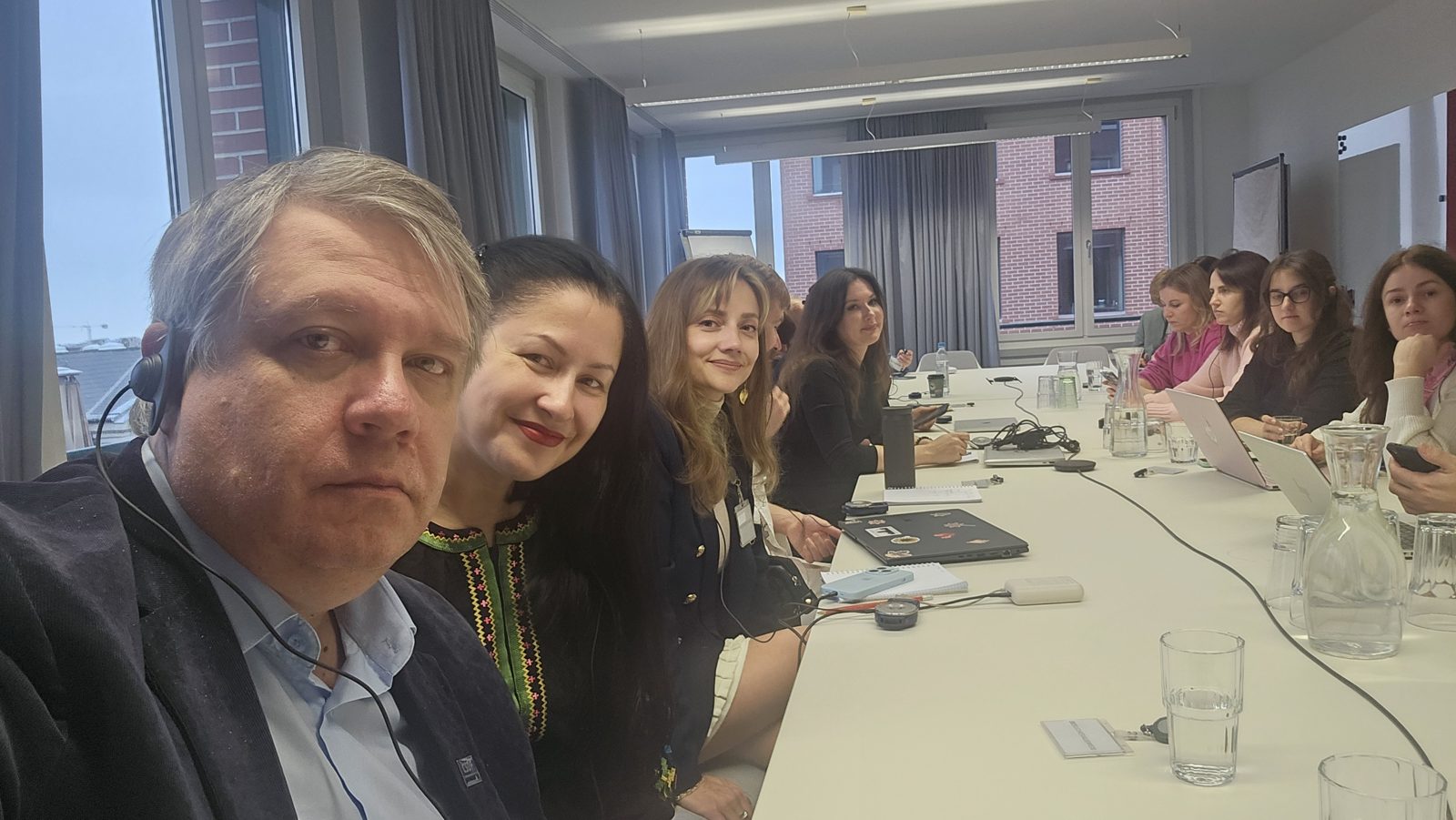
With these questions in mind, Oleksii Kovalenko, Head of the Civil Society Development Forum NGO, and Liudmyla Honcharenko, the organisation’s chief expert, took part in a study visit to Germany on 24 October – 1 November 2026. In 4 working days – 4 towns in Lusatia (Lausitz) and Berlin, more than 10 meetings, 2 presentations of our own and 4 agreements on further cooperation.
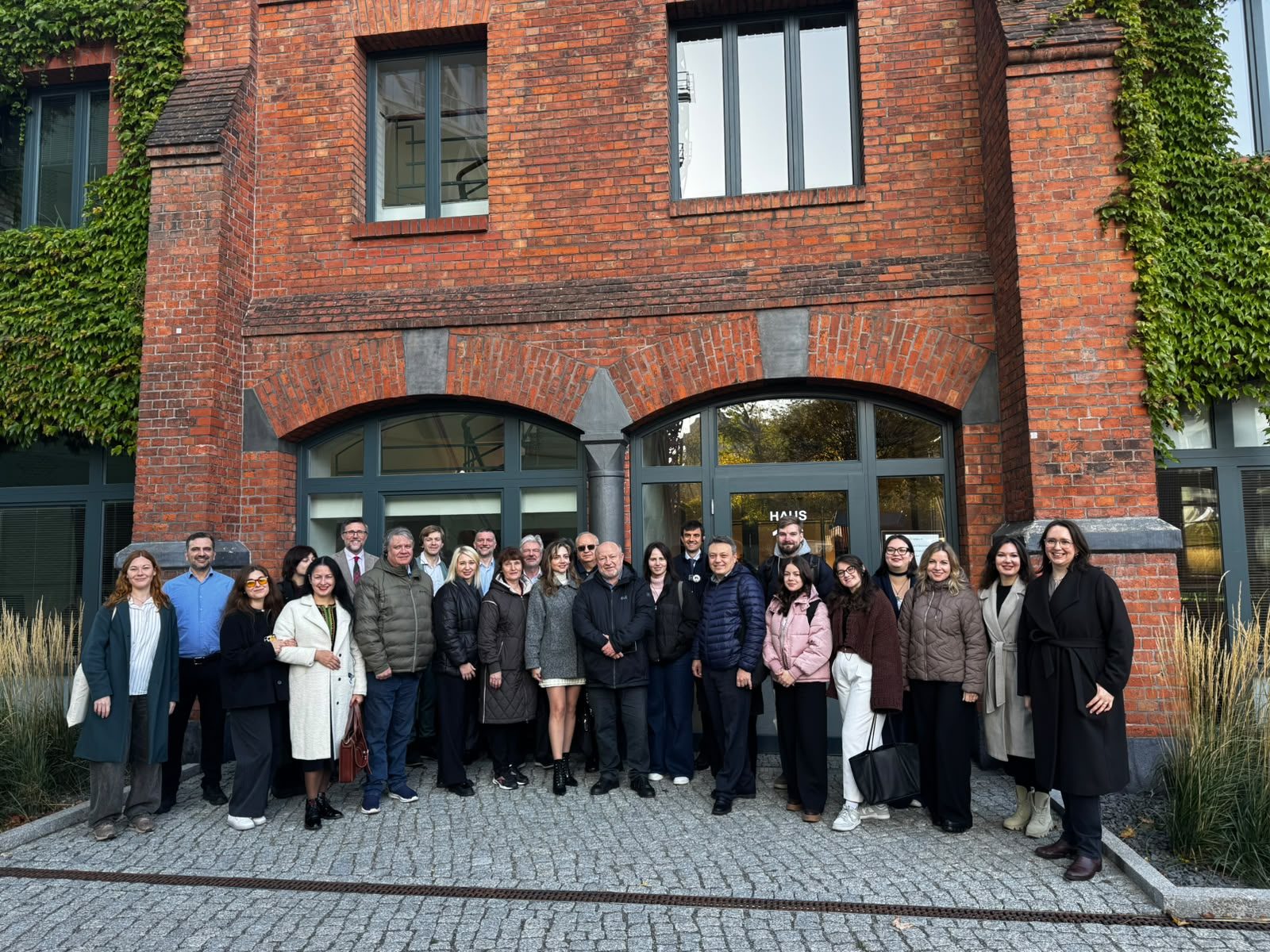
Görlitz: how science brings people back to the region
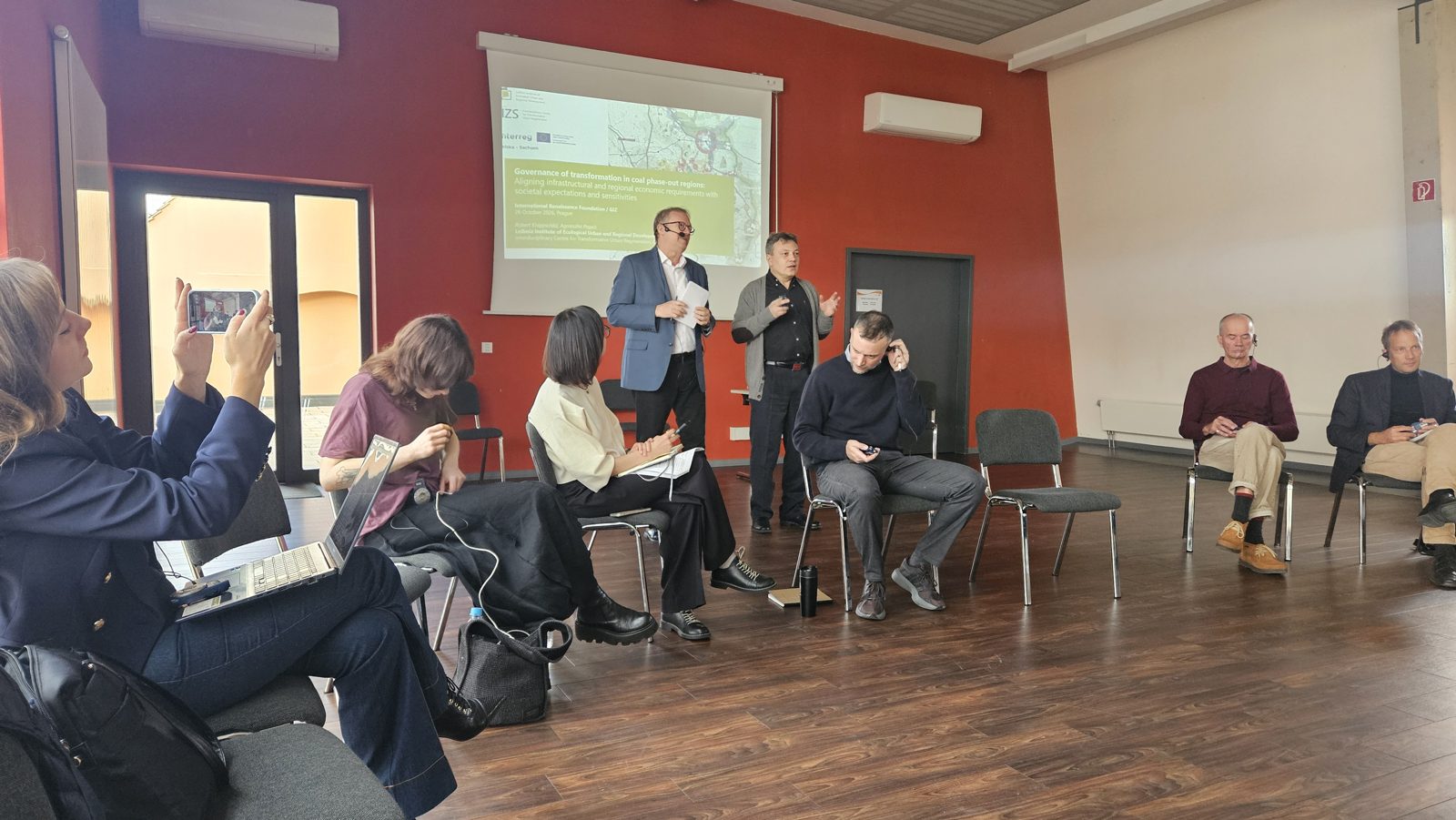
Our German colleagues shared their experience of the coal phase-out, the energy transition and cooperation with Poland. Their main idea is the city as a laboratory: knowledge is born not only in science, but also at the intersection of the street, business, the administration and residents.
The CSDF team presented a digital toolkit for involving the public in decision-making, based on the DIY4Change scientific method, together with the results of a monitoring study and assessment of the level of participation in the Ladyzhyn City Territorial Community: 5,189 appeals and proposals from residents, 97 NGOs, and 15 proposals to the Just Transition Plan, of which 11 were taken into account. All the tools are collected at https://csdf.org.ua/ljt/.
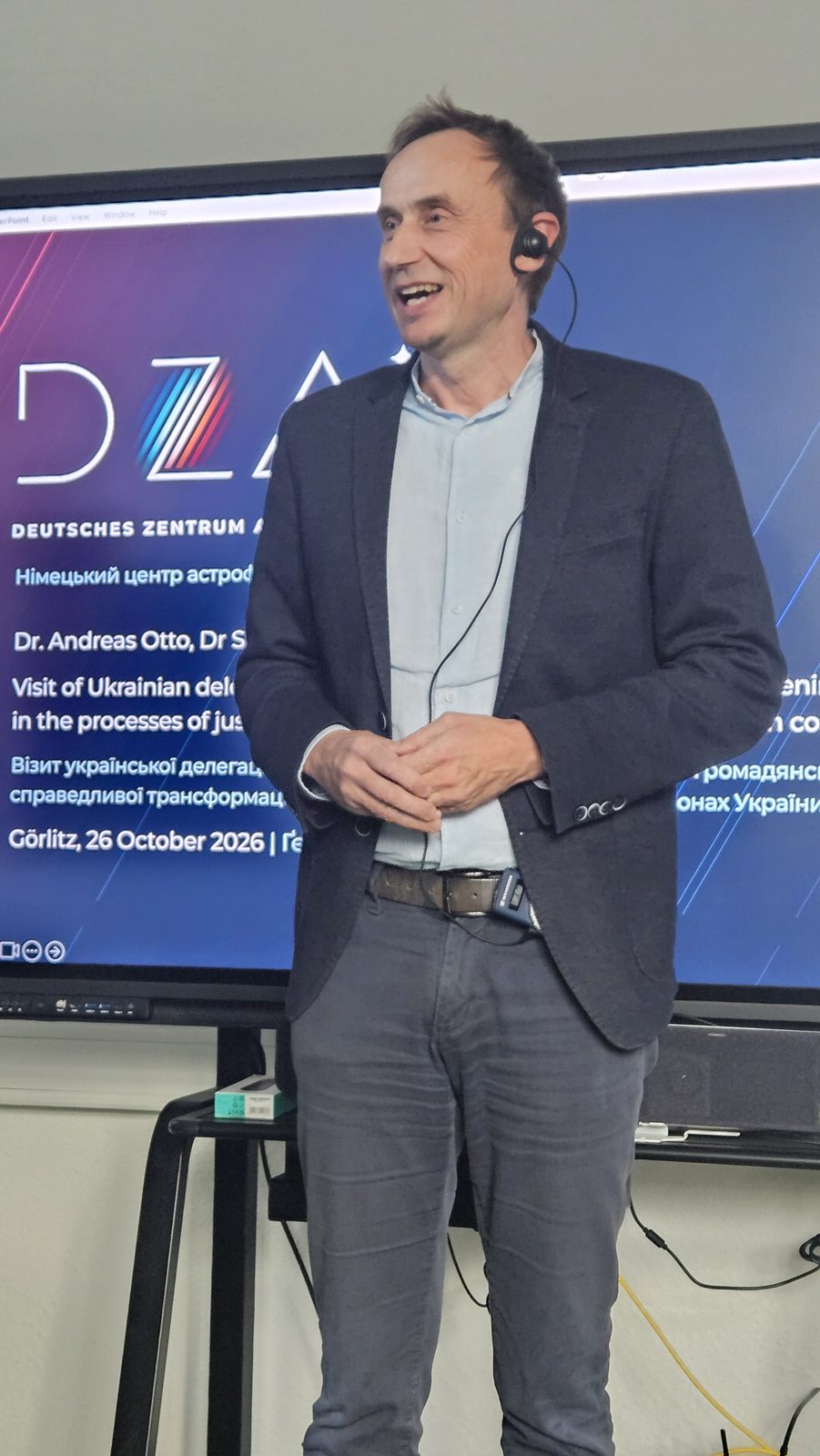
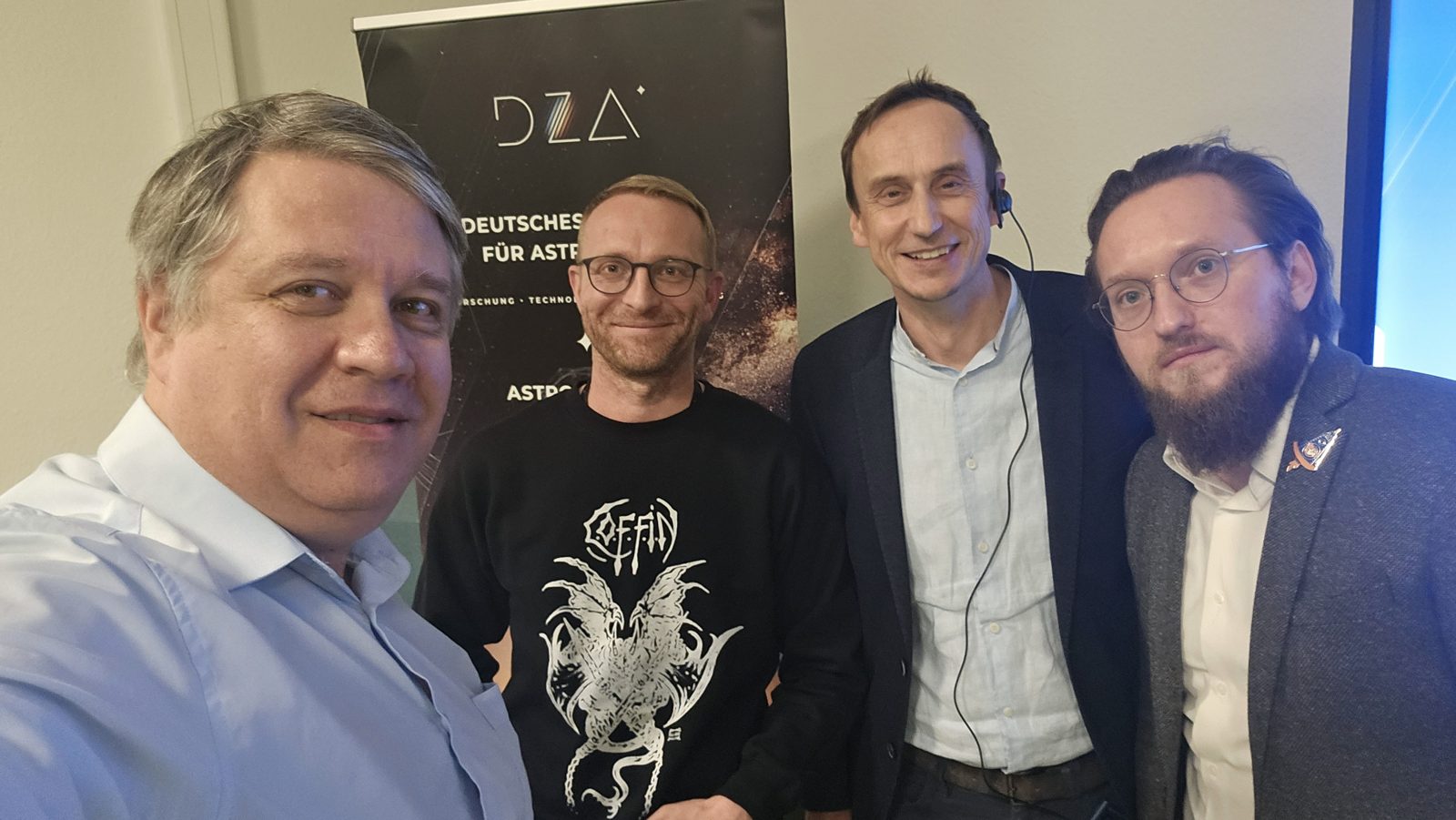
The German Center for Astrophysics (DZA) is the most striking example of how science becomes a community’s economy:
- around 1,000 new jobs – not only for scientists, but also for technical and administrative staff;
- up to EUR 1.1 billion in structural support funds by 2038;
- more than 200 meetings with residents a year – the team travelled to every village and small town in the region;
- more than 500 astrophysicists from around the world at a conference in Görlitz and another 500 residents at a lecture about the stars in the local theatre;
- winner of the federal research ministry’s competition in September 2022, a temporary office in Görlitz since February 2024, and a science campus in renovated, derelict buildings.
The institute and its students bring money into the budget, and so does astrotourism; and schoolchildren who dream of becoming scientists are the community’s future residents, who will not go anywhere.
The participation mechanisms in Görlitz that we studied:
- 8 participation districts, each with its own budget – EUR 1 per resident per year;
- district citizens’ councils – from 3 to 7 volunteers aged 16 and over, elected for 3 years;
- 300 residents’ signatures oblige the city to involve people in discussing a project;
- a response to a petition within 6 weeks at the latest;
- 3 years from the city council’s decision (2013) to the first elections of citizens’ councils (2016).
Hoyerswerda: how to bring people back
Our German colleagues told us about Hoyerswerda. There, a new mayor was elected, a project office was set up to involve people, a strategy was developed, and just transition funds were combined with cohesion policy. The projects were delivered – and people began to stay. Today people move to Hoyerswerda from Berlin, because living there is cheaper and conditions are decent.
Weißwasser: how a town looks for a new future
Weißwasser was once a centre of the glass industry and coal power generation. Today about 19,000 people live here – almost half as many as before. Around 1900, 67 hollow-glass factories operated in Lusatia; now one is left – automated, producing more than 45 million glasses a year, but with far fewer jobs. Automation preserves production, but it does not preserve employment.
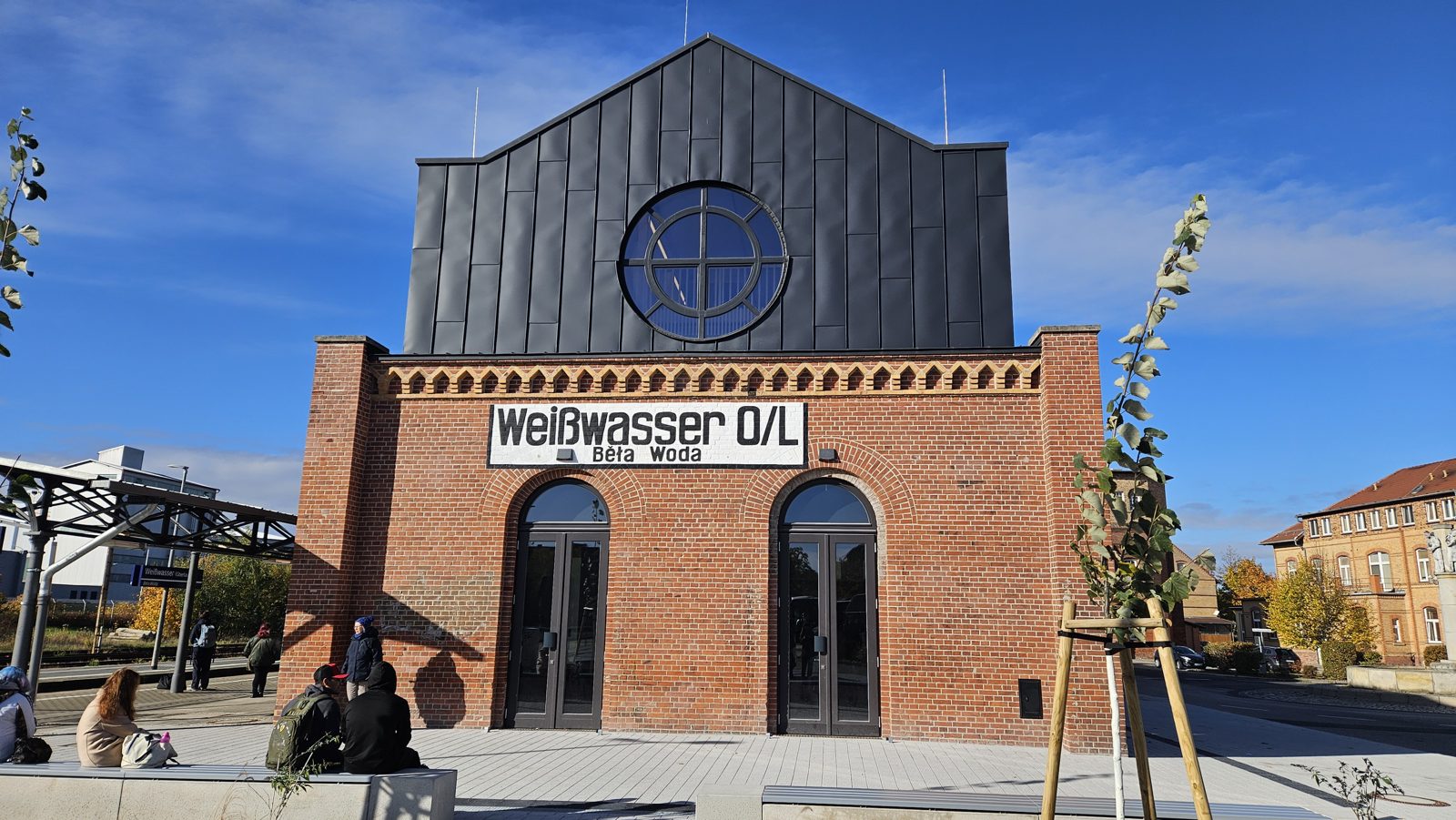
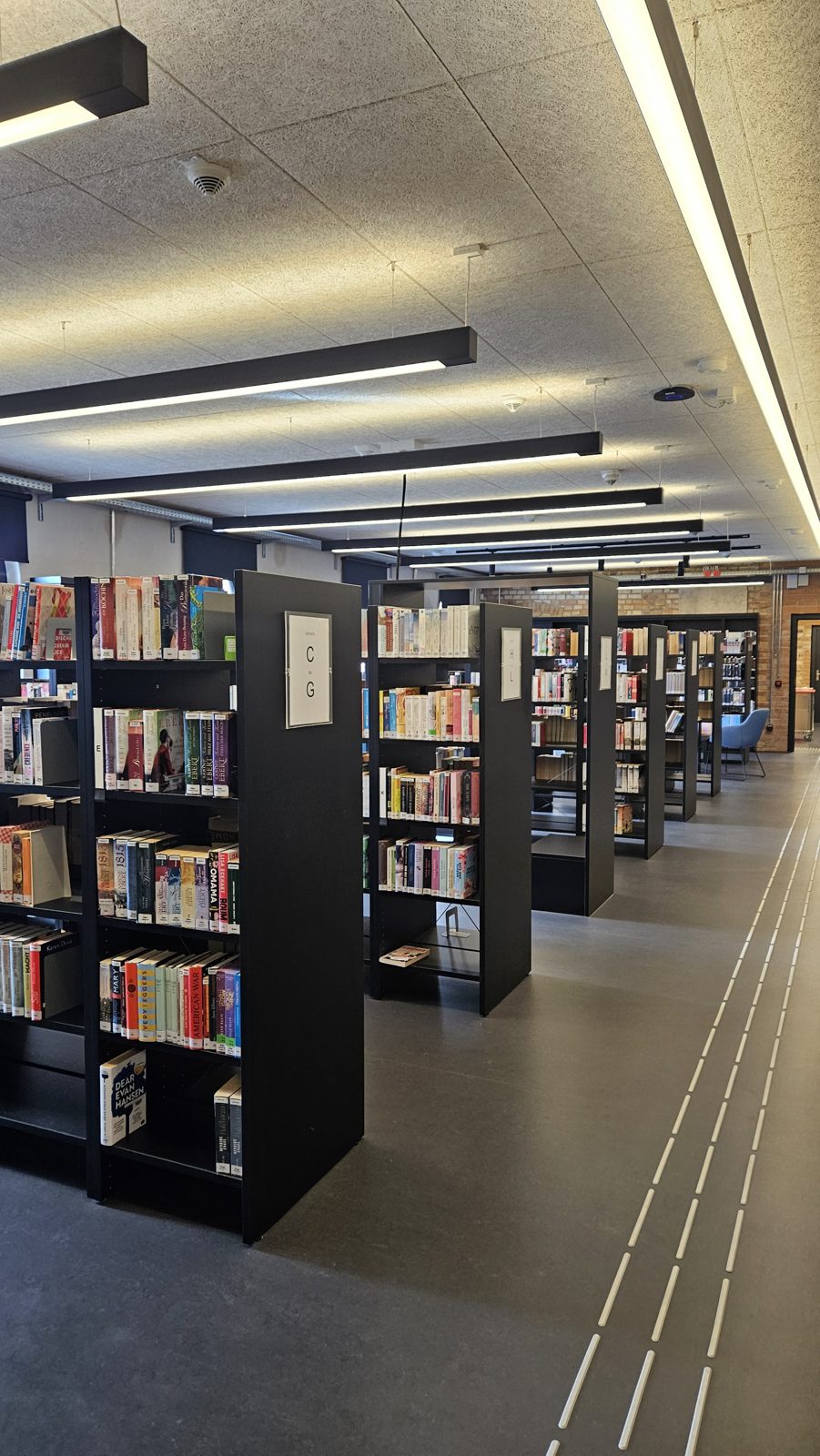
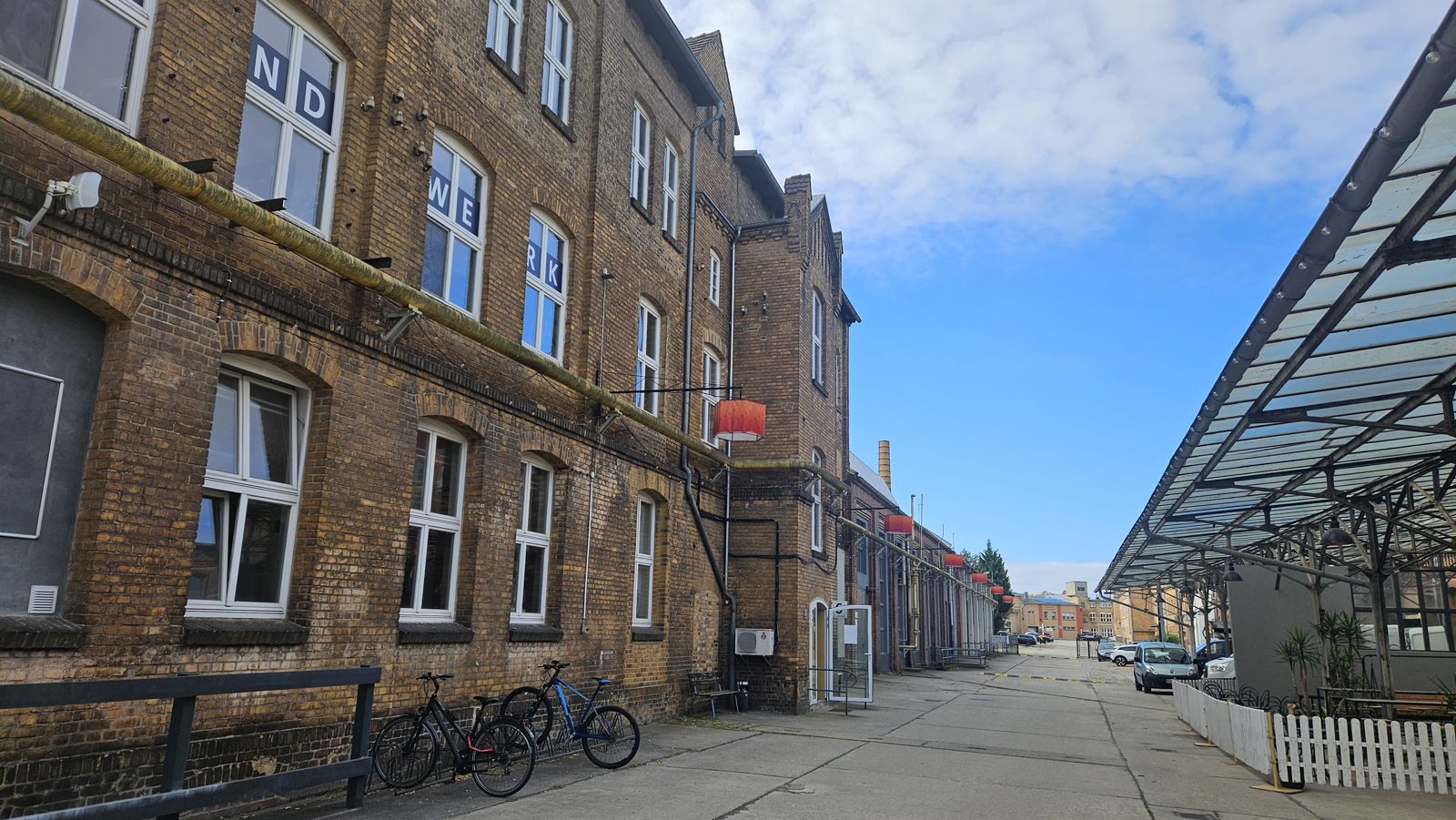
Torsten Pötzsch, the town’s former mayor, showed how the town gives old buildings a new life. The railway station has become a library and a public space. The former glass factory hosts cultural events and houses workshops for children and young people, run together with schools and universities.
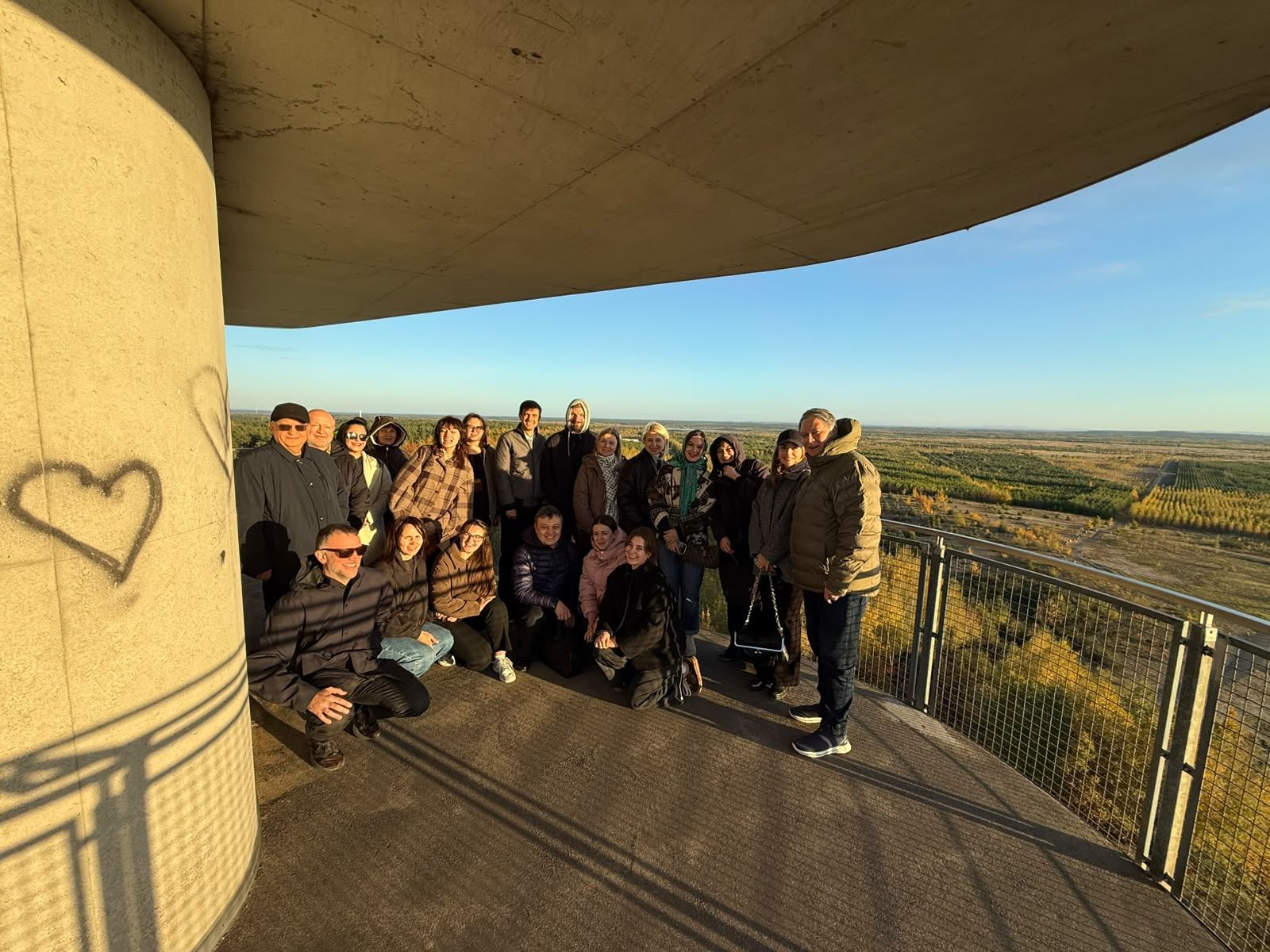
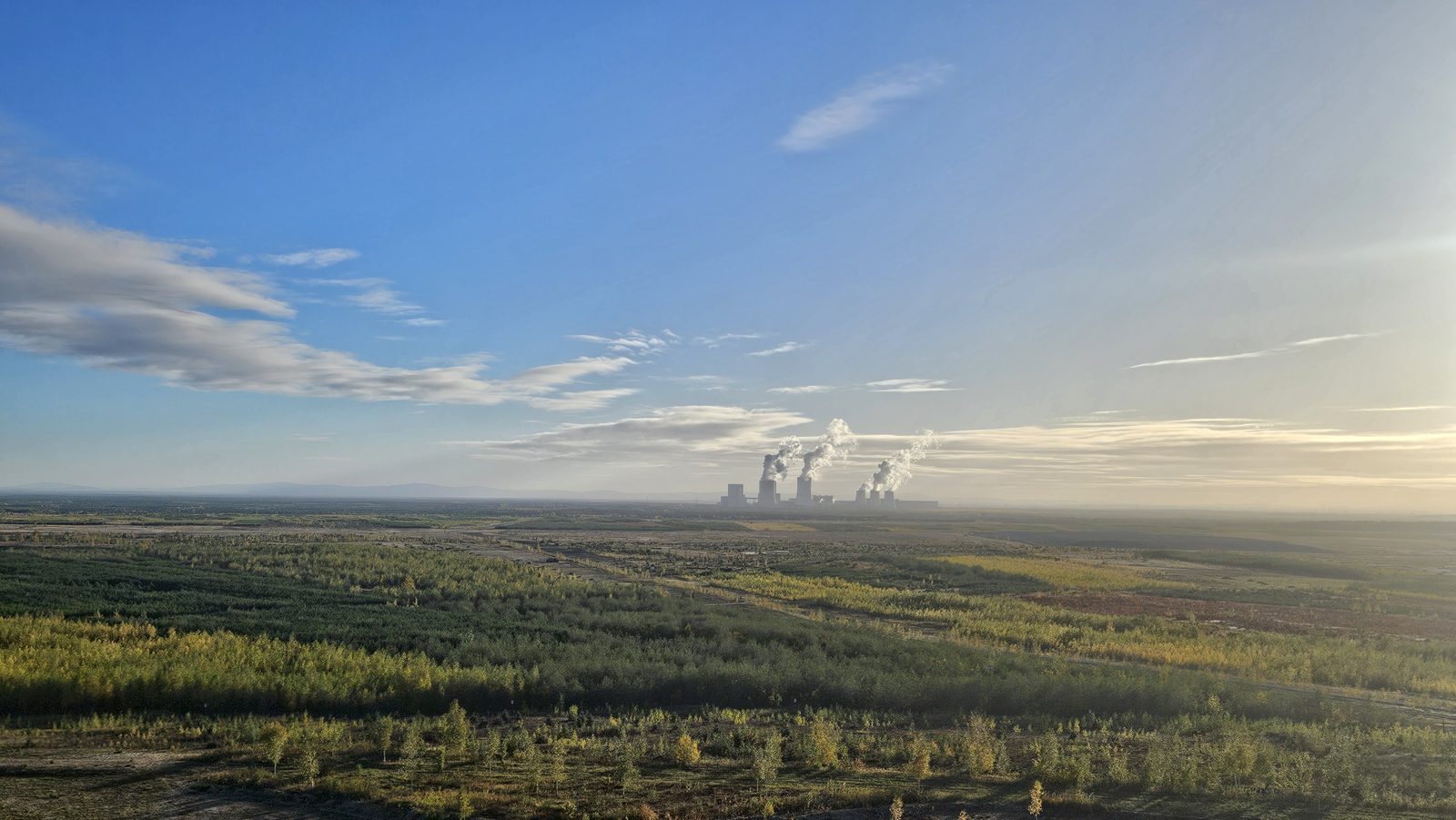
From the Schwerer Berg viewing tower we saw the Nochten opencast mine, the Boxberg power plant and the forest that this area was before mining. The lesson here is simple: how the reclaimed land will serve the community has to be decided before the mine or opencast pit closes, not after.
Cottbus: how to measure change and involve children
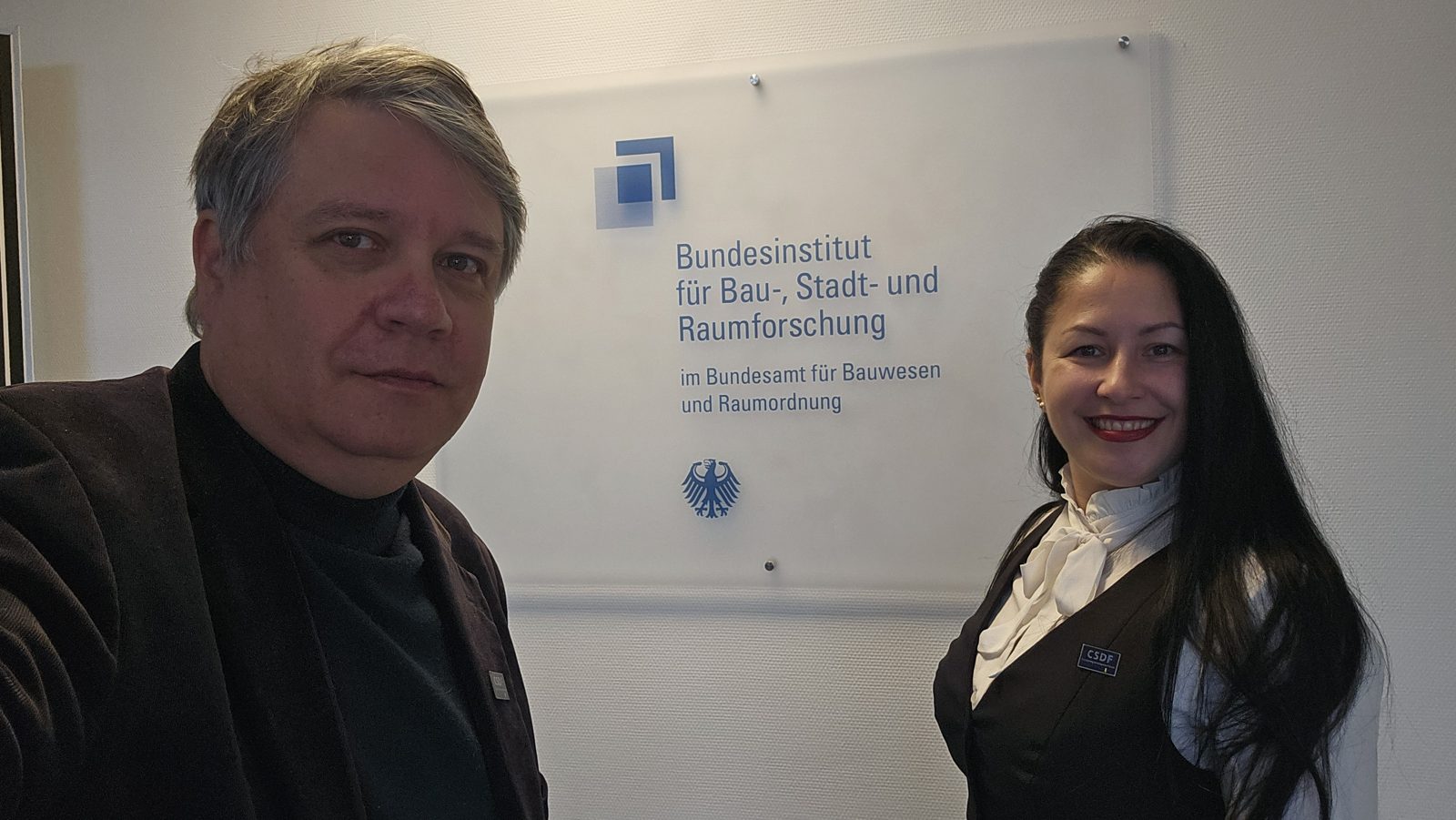
At the Competence Centre for Regional Development of the Federal Institute for Research on Building, Urban Affairs and Spatial Development (BBSR), change in coal regions is measured not “by feel” but through subjective and objective indicators: surveys of mayors, life satisfaction studies, migration, and, for young people, surveys and an interactive map of youth initiatives.
Oleksii Kovalenko and Liudmyla Honcharenko presented two areas of work:
- the experience of teaching a course on monitoring and evaluation of NGO activities at the Institute of Leadership and Management of the Ukrainian Catholic University (ILM UCU) in the context of the recovery of Ukrainian communities;
- the School Participatory Budget (SPB), created on the basis of the DIY4Change method: one active child brings in three friends, and one active adult brings in another two or three adults; for every 100 pupils, about 10 projects are submitted; the first participants have already become trainers and are teaching others.
It was the story of the SPB that gave rise to the idea of a youth video link between Cottbus and Ladyzhyn: children from the two communities will tell each other how they are changing their educational environment and their community.
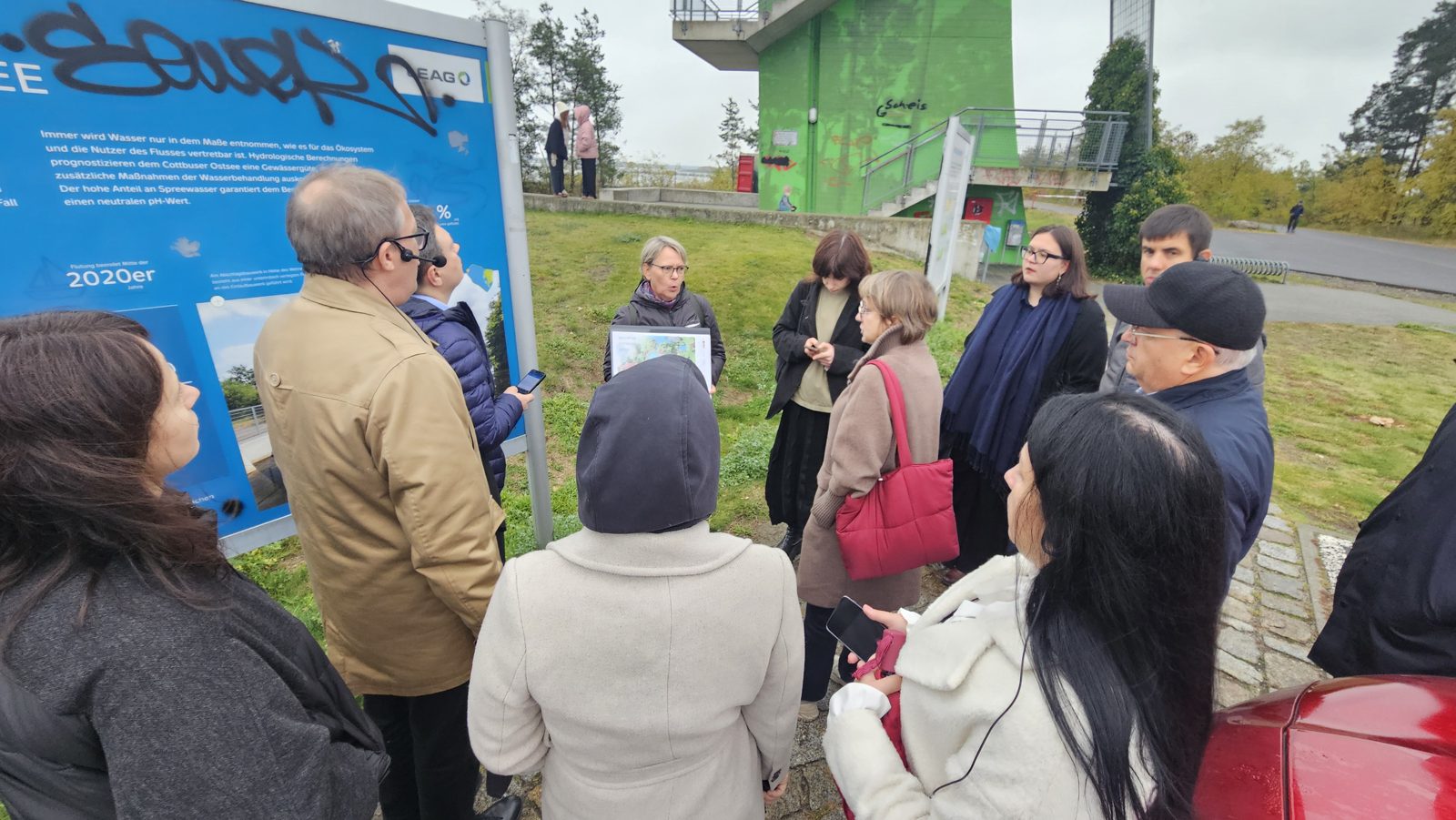
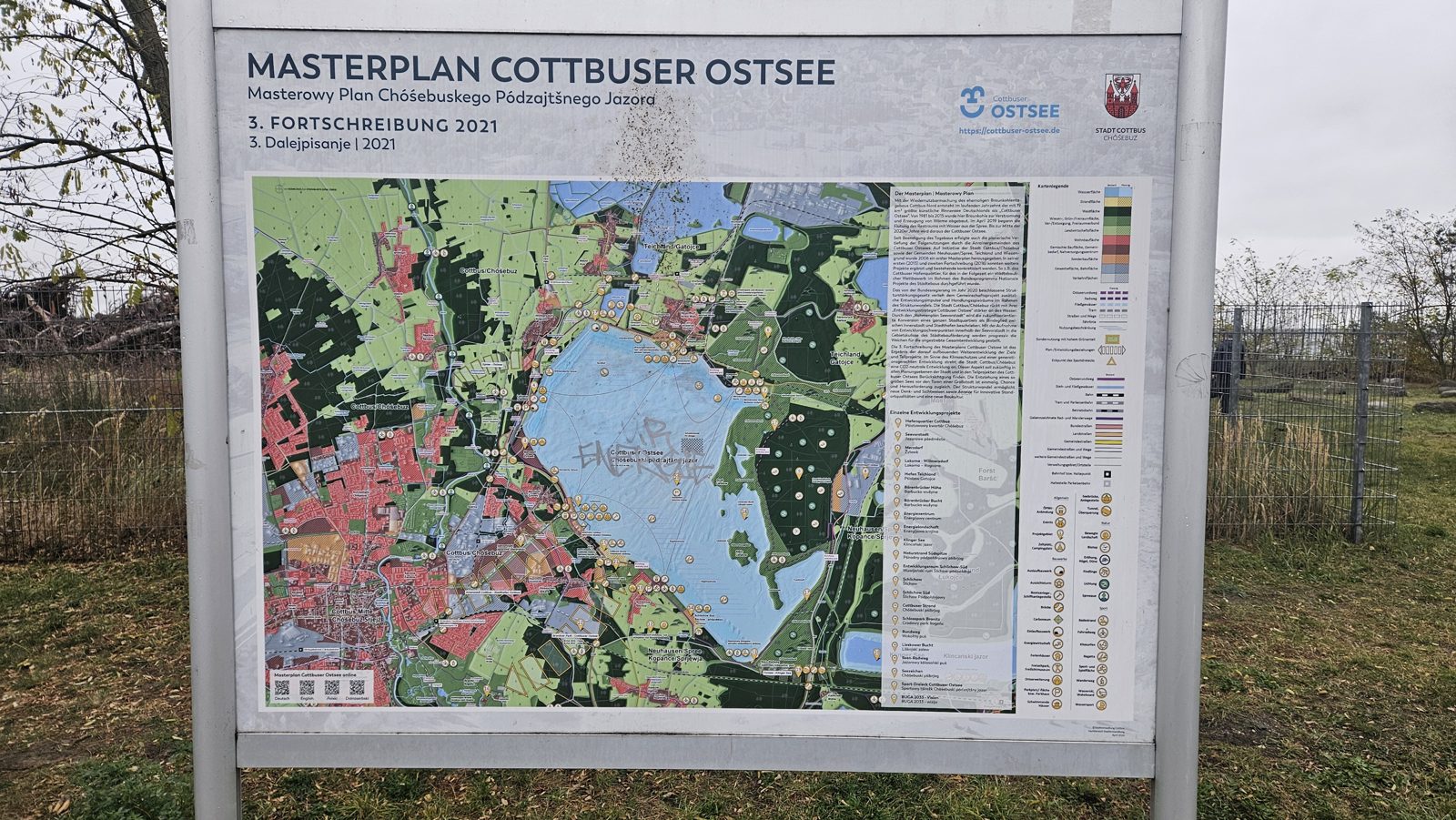
One of the ideas we are taking away from Cottbus: the fears of everyone affected by the transformation must be respected. By the Cottbuser Ostsee, a lake forming on the site of the Cottbus-Nord opencast mine, we saw the next stage – a flooded mine becoming a space for recreation and tourism.
Berlin: outcomes and agreements
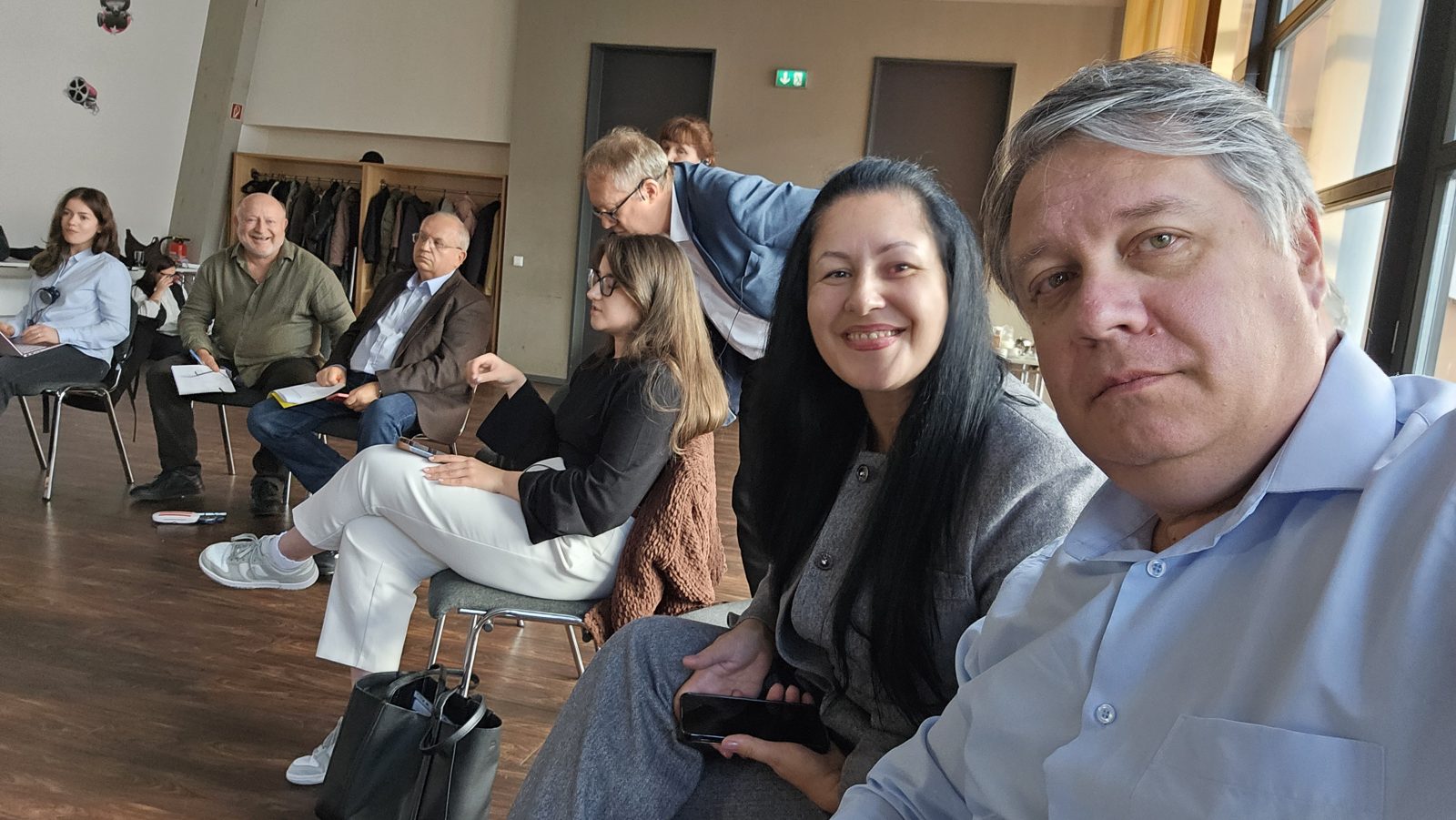
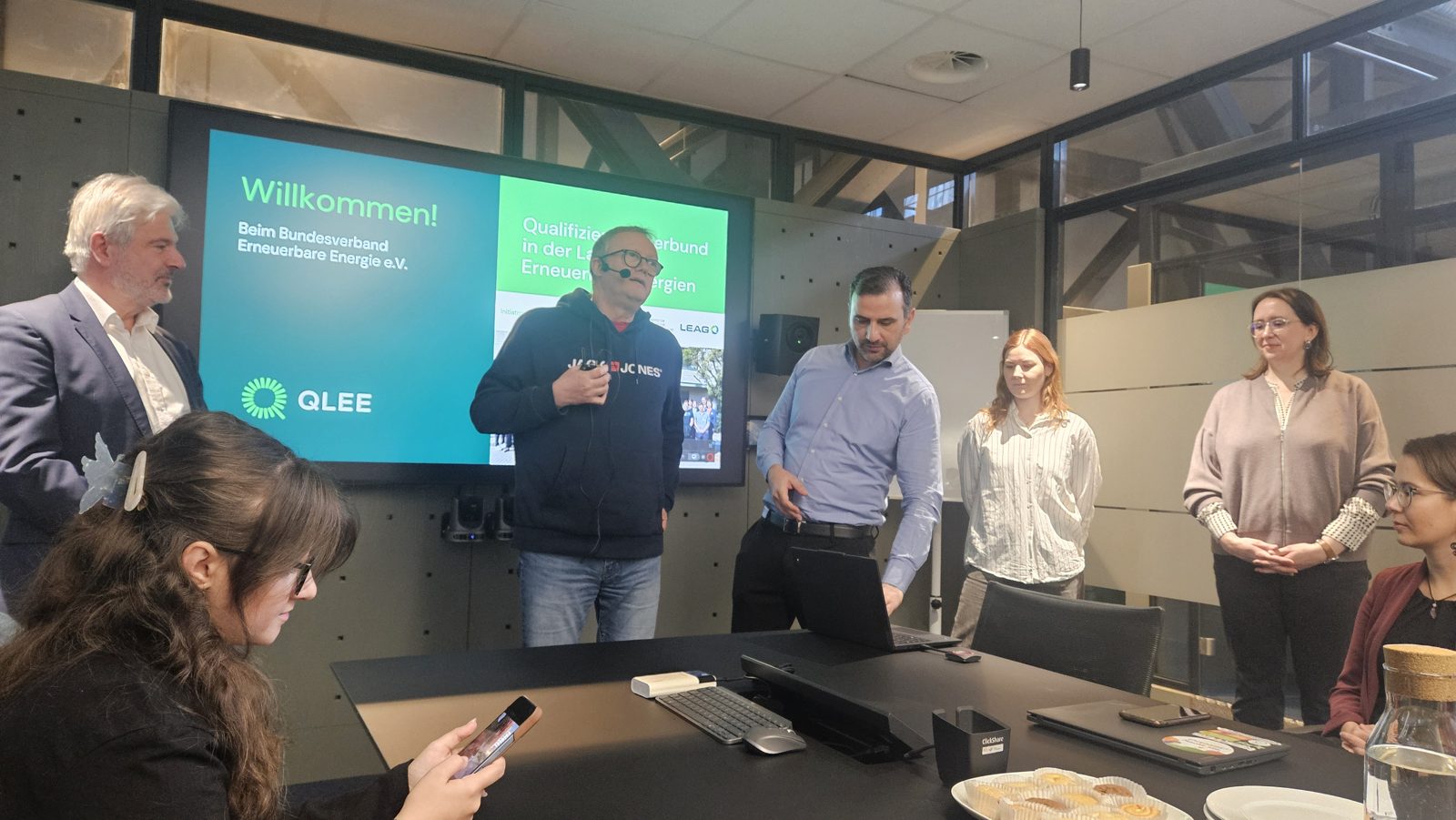
In Berlin, we met with GIZ and national-level German organisations, including QLEE (structural change in Lusatia), and took part in a closing meeting of the participants.
What hurts – both there and here
- there is not enough time: the state has set tight deadlines, and communities are working in shock mode;
- money is not always the answer: in the course of absorbing funds, it is easy to lose sustainability and the answer to the question “what for?”;
- the coal phase-out date is a condition of funding, but not all governments are ready to set it;
- “first come, first served” – so existing projects were often submitted as structural change projects;
- without clearly defined goals, the results of the transformation are hard to measure.
Over these days we heard more than 15 times: “We want people to come back to our towns.” In some communities, more than two thirds of residents have left. For Ukraine this is a signal: we need to think about people now, because it is always easier to retain than to bring back.
Results: what we are taking back to Ukraine
- BBSR (Cottbus): exchange of practices in monitoring and evaluating the development of communities and territories – our colleagues have already sent their studies;
- BBSR (Cottbus): a youth video link between Cottbus and Ladyzhyn based on the SPB experience;
- DZA (Görlitz): studying how scientific approaches are integrated into educational programmes for children;
- GIZ: interest in the monitoring and evaluation forum that we plan to hold with the Institute of Leadership and Management of the Ukrainian Catholic University in 2027, and in our game-based training programmes and digital assistants;
- 3 BBSR analytical publications in Ukrainian – we translated them using the CSDF methodology and automated toolkit and handed them to the visit participants: https://drive.google.com/drive/folders/1xFsZbcNAhkcYX4xasvOjy-G__CMo9eVs?usp=drive_link.